Tag: mostre

Andrea Cerruto /The Others

THE OTHERS  /TORINO

29.10     /     01.11.2026

Parcheggio Lancia, Piazzale Chiribiri, Quartiere Borgo San Paolo


APERTURA AL PUBBLICO

29 ottobre, 16.00 / 22.00
30 ottobre – 1 novembre, 11.00 / 21.00
La biglietteria chiude 45 minuti prima dell’orario di chiusura al pubblico.


LO MAGNO    /Booth 12 

with: Andrea Cerruto  /Notes from a Wandering

THE OTHERS / TURIN

29.10 / 01.11.2026

Parcheggio Lancia, Piazzale Chiribiri, Borgo San Paolo District


OPENING HOURS

29 October, 4 pm – 10 pm
30 October – 1 November, 11 am – 9 pm

The ticket office closes 45 minutes before the public closing time.


LO MAGNO / Booth 12

with: Andrea Cerruto  /Notes from a Wandering

Notes from a Wandering

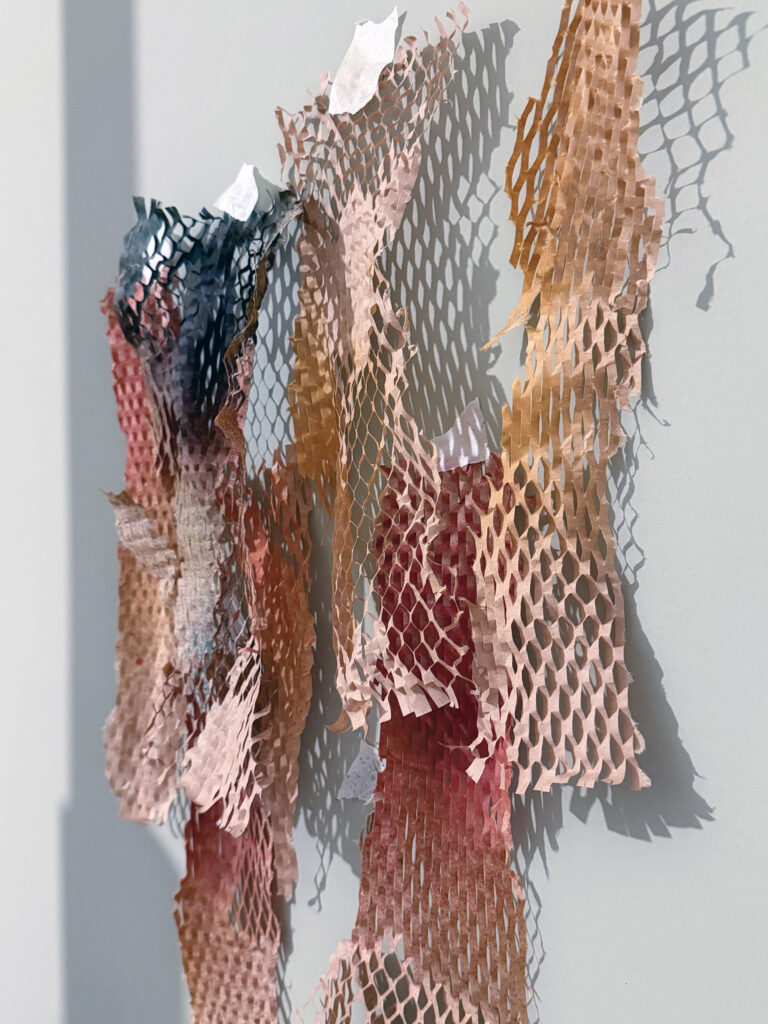
Un tempo sospeso, necessario per riconciliarsi con la natura e la sua complessità: osservazione, meditazione, attesa.
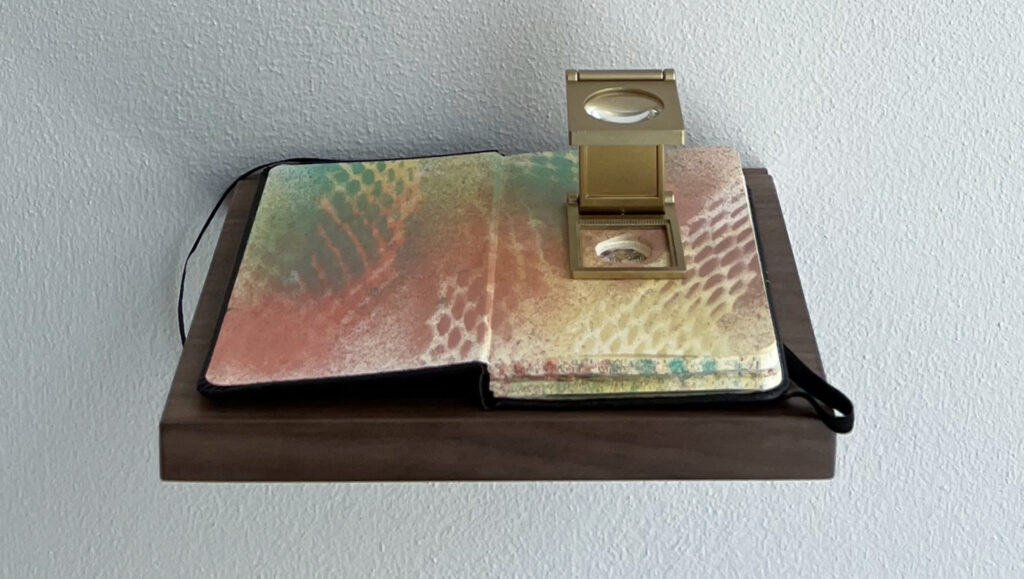
Andrea Cerruto, attraverso il tempo della pittura e l’incisione dei taccuini, costruisce una doppia visione: ciò che si offre allo sguardo e ciò che emerge solo attraverso la prossimità e l’attesa.

Notes from a Wandering

A suspended moment in time, essential to reconnecting with nature and its complexity: observation, meditation, waiting.

Through the time inherent in painting and the engravings in his notebooks, Andrea Cerruto creates a dual vision: what is immediately revealed to the eye, and what emerges only through closeness and patient waiting.

Public Program /MM

PUBLIC PROGRAM /MONDI MULTIPLI

Dal margine alla rete: territorio, memoria e connessioni dell’arte contemporanea siciliana
Tre incontri per attraversare il territorio, la memoria e le connessioni dell’arte contemporanea siciliana. Dal Nord al Sud della Sicilia, passando per Gibellina, tre prospettive per riflettere su identità, pratiche artistiche, comunità e nuove reti internazionali. Un confronto tra artisti, curatori, galleristi, collezionisti e operatori culturali sulle possibilità generate dai territori: dal dialogo tra le Due Sicilie alla memoria di Gibellina, fino alle esperienze che hanno dato origine a Mondi Multipli e alle prospettive future di collaborazione e internazionalizzazione.


Talk /01
LE DUE SICILIE – Nord-Ovest / connessioni

Sabato 17 ottobre, ore 19 – Chiesa di Santa Teresa d’Avila, Scicli

Con Giuseppe Lo Magno (Galleria Lo Magno), Francesco Pantaleone (Galleria FPAC), Agata Polizzi (Curatrice indipendente), Cecilia Zanasi (Collezionista) e Sasha Vinci (Artista). Un dialogo sulle identità territoriali, le distanze da trasformare in occasioni d’incontro e le possibilità di apertura internazionale per l’arte contemporanea siciliana.


Talk /02
GIBELLINA 2026 – Memoria / Futuro
Sabato 21 novembre, ore 19 – Chiesa di Santa Teresa d’Avila, Scicli

Con Andrea Cusumano (Direttore artistico Gibellina 2026), Enzo Fiammetta (Fondazione Orestiadi), Enzo Scarso (Giornalista) e Rossana Taormina (Artista). Un confronto sull’eredità di Gibellina, sul rapporto tra arte, territorio e comunità e sulle prospettive per costruire nuove reti culturali.


Talk /03
DAL MARGINE ALLA RETE – MONDI MULTIPLI
Sabato 12 dicembre, ore 19 – Chiesa di Santa Teresa d’Avila, Scicli

Con Barbara Cammarata (Artista), Andrea Giuseppe Cerra (Giornalista), Angelica Fontana (Collezionista), Giuseppe Lo Magno (Galleria Lo Magno), Ignazio Mortellaro (Artista), Carmelo Nicosia (fotografo), Ezio Occhipinti (Scicli Albergo Diffuso), Sasha Vinci (Artista). Un incontro dedicato alle relazioni nate nel Sud-Est siciliano, alle connessioni tra artisti e operatori del settore e alle strategie per rafforzare una rete culturale aperta al mondo, con la presentazione editoriale del progetto Mondi Multipli.
Dal margine alla rete: costruire nuove relazioni, dentro e oltre la Sicilia, riconoscendo nel territorio un punto di partenza per generare dialogo, scambio e nuove prospettive per l’arte contemporanea.


La mostra Mondi Multipli sarà visitabile a Scicli fino al 13 dicembre 2026
Il progetto è ideato e organizzato da Lo Magno artecontemporanea e Site Specific, in collaborazione con Bassi Beneventano, FPAC Francesco Pantaleone Arte Contemporanea, Garage Fontana, Spazio Gianni Mania, Amenta Incisioni, Galleria L’Androne e Mondadori Bookstore di Scicli.
Si ringraziano per il prezioso supporto Scicli Albergo Diffuso, Agire Cooperativa Sociale, Aps Tanit Scicli, Ghibli Solutions Ragusa e Planeta Winery, il cui contributo sostiene la realizzazione del progetto.

PUBLIC PROGRAM  /MONDI MULTIPLI

From the Margins to the Network: Territory, Memory and Connections in Sicilian Contemporary Art

Three events exploring the territory, memory and connections of contemporary art in Sicily. From the north to the south of the island, with Gibellina as a point of reference, three perspectives offer an opportunity to reflect on identity, artistic practices, communities and new international networks.

A dialogue between artists, curators, gallerists, collectors and cultural practitioners on the possibilities that emerge from local territories: from the dialogue between the Two Sicilies to the memory of Gibellina, and from the experiences that gave rise to Mondi Multipli to future prospects for collaboration and international exchange.


Talk /01 — THE TWO SICILIES: North-West / Connections

Saturday, 17 October, 7 pm — Church of Santa Teresa d’Avila, Scicli

With Giuseppe Lo Magno (Lo Magno Gallery), Francesco Pantaleone (FPAC Gallery), Agata Polizzi (Independent Curator), Cecilia Zanasi (Collector) and Sasha Vinci (Artist).

A dialogue on territorial identities, transforming distances into opportunities for encounter, and exploring possibilities for the international expansion of contemporary art in Sicily.


Talk /02 — GIBELLINA 2026: Memory / Future

Saturday, 21 November, 7 pm — Church of Santa Teresa d’Avila, Scicli

With Andrea Cusumano (Artistic Director, Gibellina 2026), Enzo Fiammetta (Orestiadi Foundation), Enzo Scarso (Journalist) and Rossana Taormina (Artist).

A discussion on Gibellina’s legacy, the relationship between art, territory and community, and the prospects for building new cultural networks.


Talk /03 — FROM THE MARGINS TO THE NETWORK: MONDI MULTIPLI

Saturday, 12 December, 7 pm — Church of Santa Teresa d’Avila, Scicli

With Barbara Cammarata (Artist), Andrea Giuseppe Cerra (Journalist), Angelica Fontana (Collector), Giuseppe Lo Magno (Lo Magno Gallery), Ignazio Mortellaro (Artist), Carmelo Nicosia (Photographer), Ezio Occhipinti (Scicli Albergo Diffuso) and Sasha Vinci (Artist).

An event dedicated to the relationships that have emerged in south-eastern Sicily, the connections between artists and cultural practitioners, and strategies for strengthening a cultural network with a global outlook. The event will also feature the presentation of the Mondi Multipli publication.

From the margins to the network: building new relationships within and beyond Sicily, recognising the territory as a starting point for dialogue, exchange and new perspectives for contemporary art.

The Mondi Multipli exhibition will be open to visitors in Scicli until 13 December 2026.

The project is conceived and organised by Lo Magno artecontemporanea and Site Specific, in collaboration with Bassi Beneventano, FPAC Francesco Pantaleone Arte Contemporanea, Garage Fontana, Spazio Gianni Mania, Amenta Incisioni, Galleria L’Androne and Mondadori Bookstore Scicli.

Special thanks for their invaluable support to Scicli Albergo Diffuso, Agire Cooperativa Sociale, APS Tanit Scicli, Ghibli Solutions Ragusa and Planeta Winery, whose contributions help make the project possible.

Mondi Multipli – Orari visite /opening hours

📍Palazzo Bonelli – Patané
tutti i giorni 10–13 e 16-19 /everyday 10AM-1PM and 4PM-7PM (ticket)

📍Antica Farmacia
tutti i giorni 10-13 e 16-19 /everyday 10AM-1PM and 4PM-7PM (ticket)

📍Galleria L’Androne
Mar-sab 10-13 e 16-20 / Tue-Sat 10AM-1PM and 4PM-8PM

📍Mondadori Scicli
tutti i giorni 9.30/20.30 everyday 9.30AM-8.30PM

📍Spazio Gianni Mania
Mar-sab 10-13 e 16-20 / Tue-Sat 10AM-1PM and 4PM-8PM

Mondi Multipli – Scicli

MONDI MULTIPLI
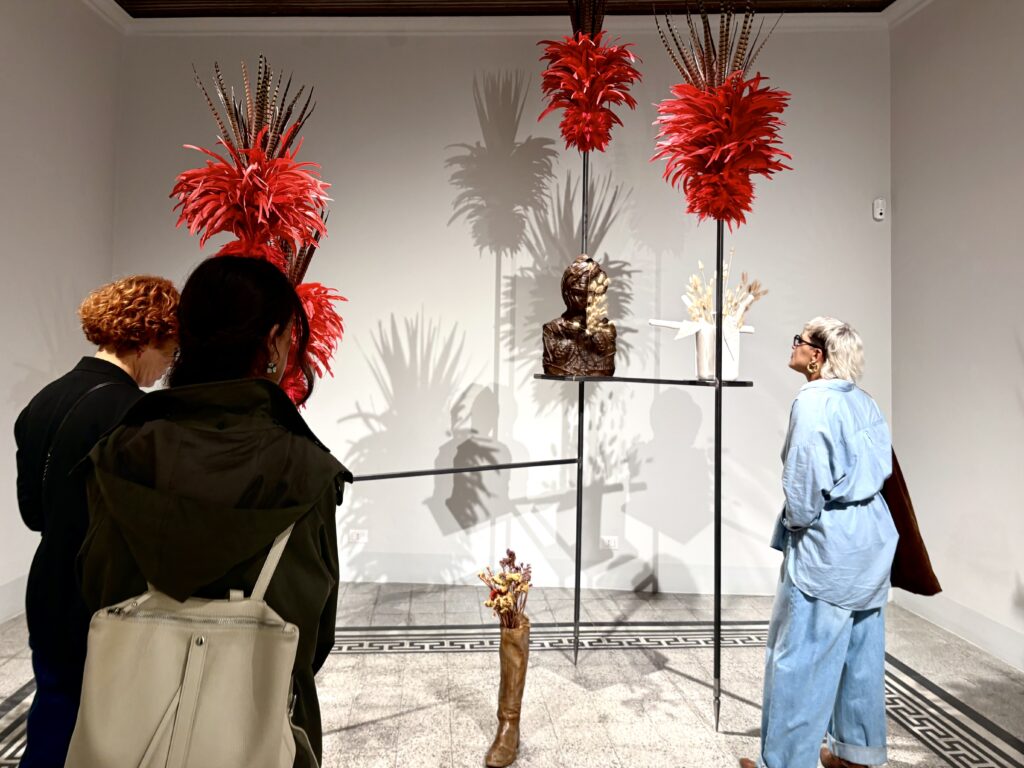
Arte contemporanea diffusa nel cuore di Scicli

Scicli, 19 settembre 2026 — Prende il via Mondi Multipli, progetto di arte contemporanea ideato e organizzato da Lo Magno artecontemporanea e Site Specific, in collaborazione con FPAC Francesco Pantaleone Arte Contemporanea, Garage Fontana, Spazio Gianni Mania, Amenta Incisioni, Galleria L’Androne, Mondadori Bookstore di Scicli.

La prima edizione coinvolge diversi luoghi di Scicli, trasformando la città in una vera e propria mostra diffusa. Le opere di Barbara Cammarata, Andrea Cerruto, Francesco Latino, Tamara Marino + Simon Troger, Michelangelo Menu, Ignazio Mortellaro, Carmelo Nicosia, Rossana Taormina, Sasha Vinci e William Marc Zanghi dialogano con il patrimonio storico della città.

Il progetto nasce dall’idea di una realtà composta da molteplici mondi e prospettive: differenze, relazioni e linguaggi diversi convivono senza perdere la propria identità. La mostra affronta temi urgenti del presente, tra crisi ecologica, trasformazioni del paesaggio, migrazioni, memoria, rapporto tra umano e non umano, pratiche della cura e nuove forme dell’abitare.

Mondi Multipli invita il pubblico a vivere la mostra attraverso un percorso nella città: chiese, palazzi, cortili e architetture storiche diventano parte integrante dell’esperienza, mentre ogni spostamento tra le sedi costruisce una possibile narrazione.

L’inaugurazione è prevista per sabato 19 settembre 2026: alle ore 19, nel Giardino di Palazzo Bonelli Patané dove sarà presentato il progetto; alle ore 20 seguirà l’inaugurazione degli spazi espositivi.

La manifestazione proseguirà fino al 13 dicembre 2026 con talk, performance, concerti, proiezioni, laboratori e altri appuntamenti interdisciplinari.

Il progetto è realizzato con il prezioso supporto di Scicli Albergo Diffuso, Agire Cooperativa Sociale, Ghibli solutions Ragusa, Planeta Winery


SEDI
Bassi Beneventano · Spazio Gianni Mania · Palazzo Bonelli Patané · Antica Farmacia Cartia · Galleria L’Androne · Chiesa di Santa Teresa d’Avila

ARTISTI
Barbara Cammarata · Andrea Cerruto · Francesco Latino · Tamara Marino + Simon Troger · Michelangelo Menu · Ignazio Mortellaro · Carmelo Nicosia · Rossana Taormina · Sasha Vinci · William Marc Zanghi

IDEATO E ORGANIZZATO DA
Lo Magno artecontemporanea · Site Specific


www.lomagnoartecontemporanea.it

info@lomagnoartecontempornaea.it

tel/wa +39 0932763165

MONDI MULTIPLI
Contemporary art spread throughout the heart of Scicli

Scicli, September 19, 2026 — Mondi Multipli, a contemporary art project conceived and organized by Lo Magno artecontemporanea and Site Specific, in collaboration with FPAC Francesco Pantaleone Arte Contemporanea, Garage Fontana, Spazio Gianni Mania, Amenta Incisioni, Galleria L’Androne, and Mondadori Bookstore in Scicli, will officially launch on September 19, 2026.

The first edition brings together a number of different venues across Scicli, transforming the city into a true distributed exhibition. The works of Barbara Cammarata, Andrea Cerruto, Francesco Latino, Tamara Marino + Simon Troger, Michelangelo Menu, Ignazio Mortellaro, Carmelo Nicosia, Rossana Taormina, Sasha Vinci, and William Marc Zanghi engage in dialogue with the city’s historical heritage.

The project stems from the idea of a reality made up of multiple worlds and perspectives: differences, relationships, and diverse languages coexist without losing their individual identities. The exhibition explores urgent issues of the present, including the ecological crisis, transformations of the landscape, migration, memory, the relationship between human and non-human beings, practices of care, and new forms of inhabiting.

Mondi Multipli invites the public to experience the exhibition through a journey across the city: churches, palaces, courtyards, and historic architecture become an integral part of the experience, while each movement between venues creates a possible narrative.

The opening will take place on Saturday, September 19, 2026: at 7:00 pm, the project will be presented in the Garden of Palazzo Bonelli Patané; at 8:00 pm, the exhibition venues will officially open.

The event will continue through December 13, 2026, with talks, performances, concerts, screenings, workshops, and other interdisciplinary events.

The project is made possible with the valuable support of Scicli Albergo Diffuso, Agire Cooperativa Sociale, Ghibli Solutions Ragusa, and Planeta Winery.


VENUES

Bassi Beneventano · Spazio Gianni Mania · Palazzo Bonelli Patané · Antica Farmacia Cartia · Galleria L’Androne · Chiesa di Santa Teresa d’Avila

ARTISTS

Barbara Cammarata · Andrea Cerruto · Francesco Latino · Tamara Marino + Simon Troger · Michelangelo Menu · Ignazio Mortellaro · Carmelo Nicosia · Rossana Taormina · Sasha Vinci · William Marc Zanghi

CURATED AND ORGANIZED BY

Lo Magno artecontemporanea · Site Specific


www.lomagnoartecontemporanea.it

info@lomagnoartecontempornaea.it

TELWA +39 0932 763165

Orari visite /opening hours

📍Palazzo Bonelli – Patané
tutti i giorni 10–13 e 16-19 /everyday 10AM-1PM and 4PM-7PM (ticket)

📍Antica Farmacia
tutti i giorni 10-13 e 16-19 /everyday 10AM-1PM and 4PM-7PM (ticket)

📍Galleria L’Androne
Mar-sab 10-13 e 16-20 / Tue-Sat 10AM-1PM and 4PM-8PM

📍Mondadori Scicli
tutti i giorni 9.30/20.30 everyday 9.30AM-8.30PM

📍Spazio Gianni Mania
Mar-sab 10-13 e 16-20 / Tue-Sat 10AM-1PM and 4PM-8PM

ARTISTS

Barbara Cammarata • Andrea Cerruto • Francesco Latino • Tamara Marino + Simon Troger • Michelangelo Menu • Ignazio Mortellaro • Carmelo Nicosia • Rossana Taormina • Sasha Vinci • William Marc Zanghi

Angelo Ruta | Il Ritorno – Tra viaggio e mito

IL RITORNO — tra viaggio e mito

🗓️ Mercoledì 26 agosto, ore 20.00
📍 Palazzo Tasca – De Leva, Modica

Una casa che torna a raccontarsi.

Palazzo Tasca – De Leva apre le sue porte per una serata speciale e raccolta, costruita come un racconto a tre voci intorno al tema del ritorno, tra memoria, arte e cucina.

Maria Olivella Rizza, attuale erede del Palazzo e figlia di Maricò Mastrogiovanni Tasca, accompagnerà gli ospiti attraverso le sale, intrecciando la storia della famiglia al racconto più intimo del ritorno alla casa e della sua riapertura.

Con lei, Angelo Ruta sarà presente e interverrà nel racconto attraverso la sua arte e le suggestioni del progetto site-specific, a cura di Lo Magno artecontemporanea: un dialogo con gli spazi del Palazzo tra Odissea, mito, viaggio e geografie interiori dei sentimenti.

La cucina di Carmelo Chiaramonte ne sarà il contrappunto: sapori, profumi e materie della Sicilia daranno vita a una narrazione gastronomica concepita per la serata.

Una casa che torna a raccontarsi, un artista che ne attraversa la memoria con il linguaggio dell’arte, uno chef che cerca nel gusto le tracce del viaggio e del ritorno.

La serata inaugurerà il progetto espositivo di Angelo Ruta, che resterà al Palazzo nelle settimane successive.

🗓️ Wednesday, August 26, at 8:00 PM
📍 Palazzo Tasca – De Leva, Modica

A house that returns to telling its story.

Palazzo Tasca – De Leva opens its doors for a special, intimate evening, conceived as a three-voice narrative around the theme of return, intertwining memory, art, and cuisine.

Maria Olivella Rizza, the current heir to the Palazzo and daughter of Maricò Mastrogiovanni Tasca, will accompany guests through its rooms, weaving the history of the family together with the more intimate story of returning home and reopening the Palazzo.

Alongside her, Angelo Ruta will take part in the narrative through his art and the evocative elements of the site-specific project, curated by Lo Magno artecontemporanea: a dialogue with the spaces of the Palazzo, exploring the Odyssey, myth, journey, and the inner geographies of emotions.

Carmelo Chiaramonte’s cuisine will provide the counterpoint: the flavours, aromas, and ingredients of Sicily will give life to a gastronomic narrative conceived especially for the evening.

A house that returns to telling its story, an artist who moves through its memory using the language of art, and a chef who seeks in taste the traces of journey and return.

The evening will inaugurate Angelo Ruta’s exhibition project, which will remain at the Palazzo for the following weeks.

Sofia Storniolo | Allo specchio

Sofia Storniolo
Allo specchio

Testo di Marina Mottin
Inaugurazione: 11 settembre 2026, ore 19.00
11 settembre – 14 novembre 2026
Lo Magno artecontemporanea
Modica – Via Risorgimento 91/93

Lo Magno artecontemporanea presenta Allo specchio, mostra personale di Sofia Storniolo, in programma dall’11 settembre al 14 novembre 2026. L’inaugurazione si terrà venerdì 11 settembre alle ore 19.00 negli spazi della galleria di Modica.

La mostra raccoglie una selezione di disegni realizzati su diversi supporti cartacei, nei quali Sofia Storniolo porta in primo piano figure, volti, corpi e scene costruite attraverso un segno libero e immediato. Il suo lavoro alterna osservazione e immaginazione, con un linguaggio diretto e ironico.

Le figure diventano protagoniste di composizioni in cui proporzioni, posture e fisionomie cambiano continuamente. Il disegno resta così al centro di una pratica spontanea, capace di trasformare una situazione o un’immagine quotidiana in qualcosa di inatteso.

Il titolo Allo specchio richiama un gesto semplice e familiare: guardarsi e riconoscersi, ma anche scoprire che ciò che abbiamo davanti può apparire ogni volta diverso. Come scrive Marina Mottin nel testo che accompagna la mostra, “L’immagine che lo specchio riflette non è garanzia di verità, ma la conferma che identità e percezione sono costruzioni instabili.”

Con questa personale, Lo Magno artecontemporanea porta a Modica il lavoro di Sofia Storniolo, mettendo al centro una pratica del disegno libera, quotidiana e profondamente personale.

Ingresso libero

Sofia Storniolo
Allo specchio

Text by Marina Mottin
Opening: September 11, 2026, 7:00 p.m.
September 11 – November 14, 2026
Lo Magno artecontemporanea
Modica – Via Risorgimento 91/93

Lo Magno artecontemporanea presents Allo specchio, a solo exhibition by Sofia Storniolo, on view from September 11 to November 14, 2026. The exhibition will open on Friday, September 11 at 7:00 p.m. at the gallery’s exhibition space in Modica.

The exhibition brings together a selection of drawings made on a variety of paper supports, in which Sofia Storniolo places figures, faces, bodies, and scenes at the forefront, developed through a free and immediate line. Her work moves between observation and imagination, employing a direct and ironic visual language.

The figures become the protagonists of compositions in which proportions, postures, and physiognomies are constantly shifting. Drawing thus remains at the heart of a spontaneous practice, capable of transforming an everyday situation or image into something unexpected.

The title Allo specchio (“In the Mirror”) refers to a simple and familiar gesture: looking at oneself and recognizing oneself, but also discovering that what we see before us can appear different each time. As Marina Mottin writes in the text accompanying the exhibition, “The image reflected in the mirror is not a guarantee of truth, but confirmation that identity and perception are unstable constructions.”

With this solo exhibition, Lo Magno artecontemporanea brings Sofia Storniolo’s work to Modica, placing at its center a free, everyday, and deeply personal approach to drawing.

Free Entry

AL CUBO Barone | Frangi | Scarabelli

AL CUBO
Angelo Barone, Giovanni Frangi, Luca Scarabelli

Bassi Beneventano
Palazzo Beneventano, Piazzetta Angelo Ficili, 1, Scicli (RG)
Inaugurazione: 6 giugno 2026 ore 19.00
Date: 06/06 – 05/07/2026
Visite: da martedì a sabato ore 17/21


La mostra Al cubo riunisce tre artisti — Angelo Barone, Giovanni Frangi, Luca Scarabelli — legati da una lunga consuetudine di dialogo, confronto e prossimità. Affinità elettive, si potrebbe dire, che nel tempo hanno saputo consolidarsi pur nel mantenimento di percorsi autonomi e linguaggi distinti. Ciò che li accomuna è una tensione condivisa verso la ricerca, un’inquietudine dello sguardo e una costante messa in discussione del fare artistico. Dopo aver attraversato, a partire dagli anni Ottanta, traiettorie milanesi caratterizzate da incontri, frequentazioni di studi, inaugurazioni e occasioni espositive comuni, i tre artisti si sono ritrovati negli anni più recenti a condividere anche l’esperienza di docenza presso l’Accademia di Belle Arti di Brera, divenendo così colleghi oltre che interlocutori. In questo contesto, la riflessione sulla responsabilità del gesto, sul senso dell’immagine e sulla costruzione della forma si è progressivamente configurata come un laboratorio quotidiano, fatto di scambi, interrogazioni e verifiche continue.

Accompagnata da un testo critico di Marta Cereda, la mostra presenta un insieme di opere che instaurano un dialogo a distanza, in una prospettiva aperta e dinamica. I lavori si incontrano nel punto in cui l’arte si fa interrogazione: sulla forma, sulla materia, sulla possibilità stessa di vedere con uno sguardo sempre rinnovato. Angelo Barone indaga la memoria silenziosa delle architetture e delle immagini; Giovanni Frangi apre la pittura a un rapporto sensibile con il dato naturale; Luca Scarabelli esplora la precarietà del gesto e le potenzialità plastiche degli oggetti quotidiani. Insieme, gli artisti costruiscono un territorio condiviso, una geografia di prossimità — anche se temporanea — in cui le opere si intrecciano per risonanze e affinità, dando luogo a una trama visiva che si sviluppa nello spazio espositivo come una conversazione in atto.

Come sottolinea Marta Cereda nel testo in catalogo, Al cubo è prima di tutto un incontro: una pratica dello sguardo che si radica nella relazione, pur mantenendo intatta l’autonomia formale dei singoli percorsi. Il progetto non si configura come un’opera relazionale in senso stretto, ma come un processo di dialogo che trova nella costruzione condivisa il proprio elemento generativo. La mostra si propone infine come un invito a sostare sulla soglia dell’immagine, a cogliere ciò che si manifesta e ciò che si sottrae, riconoscendo nella visione un atto fragile e quotidiano, ma essenziale. Negli spazi di Bassi Beneventano a Scicli, sembra di poter ancora percepire l’eco delle conversazioni tra gli artisti: voci, scambi, ironie e complicità che, come nelle aule di Brera, continuano a prendere forma nello spazio della mostra, trasformandosi in esperienza condivisa.


Ufficio stampa
Maria Grazia Vernuccio
Tel. 3351282864
mariagrazia.vernuccio@mgvcommunication.it

AL CUBO
Angelo Barone, Giovanni Frangi, Luca Scarabelli

Bassi Beneventano
Palazzo Beneventano, Piazzetta Angelo Ficili, 1, Scicli (RG), Italy
Opening: June 6, 2026, 7:00 PM
Dates: June 6 – July 5, 2026
Visiting hours: Tuesday to Saturday, 5:00–9:00 PM


The exhibition Al Cubo brings together three artists — Angelo Barone, Giovanni Frangi, and Luca Scarabelli — connected by a long-standing relationship of dialogue, exchange, and mutual proximity. One could speak of elective affinities that, over time, have grown stronger while preserving the autonomy of their individual practices and distinct visual languages. What unites them is a shared commitment to research, a restless gaze, and a constant questioning of artistic practice itself. Since the 1980s, the three artists have moved through intersecting trajectories within the Milanese art scene, shaped by encounters, studio visits, exhibition openings, and shared exhibition opportunities. In more recent years, they have also come together as faculty members at the Brera Academy of Fine Arts, becoming colleagues as well as interlocutors. Within this context, reflection on the responsibility of gesture, the meaning of the image, and the construction of form has gradually evolved into an everyday laboratory of exchanges, inquiries, and ongoing experimentation.

Accompanied by a critical essay by Marta Cereda, the exhibition presents a group of works that engage in a dialogue across distance, within an open and dynamic perspective. The works converge at the point where art becomes inquiry: into form, matter, and the very possibility of seeing through an ever-renewed gaze. Angelo Barone investigates the silent memory of architecture and images; Giovanni Frangi opens painting toward a sensitive relationship with the natural world; Luca Scarabelli explores the precariousness of gesture and the sculptural potential of everyday objects. Together, the artists construct a shared territory — even if temporary — a geography of proximity in which the works intertwine through resonance and affinity, generating a visual texture that unfolds throughout the exhibition space like an ongoing conversation.

As Marta Cereda emphasizes in the catalogue essay, Al Cubo is above all an encounter: a practice of looking rooted in relationship, while fully preserving the formal autonomy of each individual artistic path. The project does not present itself as a relational artwork in the strict sense, but rather as a process of dialogue whose generative force lies in shared construction. Ultimately, the exhibition becomes an invitation to linger at the threshold of the image, to grasp both what reveals itself and what withdraws, recognizing vision as a fragile, everyday, yet essential act. Within the spaces of Bassi Beneventano in Scicli, one can still sense the echo of the artists’ conversations: voices, exchanges, irony, and complicity that, much like in the classrooms of Brera, continue to take shape within the exhibition space, transforming into a shared experience.


Press Office
Maria Grazia Vernuccio
Tel. +39 335 128 2864
mariagrazia.vernuccio@mgvcommunication.it

Nanni Licitra | Materiale Residuo

Nanni Licitra | Materiale residuo


Lo Magno artecontemporanea, Palazzo Beneventano, Scicli (RG)


28/12/2025 – 28/02/2026

Supported by

Materiale Residuo


Il fotografo Nanni Licitra lavora nella “Fascia trasformata”, tra Vittoria e Marina di Acate, un territorio attraversato da serre, plastica e vapori. Non cerca la cronaca né l’evidenza: osserva ciò che resta nell’aria, nelle superfici, negli strati più sottili del paesaggio, lasciando che gli elementi emergano senza forzarli, come un affiorare lento di ciò che la materia trattiene mentre si dissolve. La Fascia trasformata è una distesa costiera che, nel giro di pochi decenni, ha mutato completamente fisionomia. Qui, a partire dalla seconda metà del Novecento, le coltivazioni aperte hanno ceduto il passo a una serricoltura sempre più estesa, fino a creare un continuum di coperture plastiche che oggi segna il territorio come un’unica superficie produttiva. Le serre hanno ridisegnato l’economia locale e fatto del mercato ortofrutticolo di Vittoria uno dei centri nevralgici d’Italia. Ma questa espansione ha lasciato segni profondi: un paesaggio alterato e soprattutto una quantità di rifiuti agricoli che spesso non trova vie di smaltimento. Così, nelle ore incerte della sera, capita che piccoli roghi vengano accesi per eliminare ciò che resta: sono le fumarole, fiammelle brevi e clandestine che non illuminano nulla, ma saturano l’aria di una materia leggera e persistente. È quell’alone, più che il fuoco, a insinuarsi nel lavoro di Licitra.

Le immagini serigrafiche stampate su plastica non mostrano l’atto della combustione: ne catturano la conseguenza. Le forme che emergono sono leggere, mutevoli, simili a nubi ingrossate da una sostanza scura. Il supporto plastico rende la materia ancora più ambigua: superficie e soggetto coincidono, e ciò che vediamo è un’apparizione che evapora mentre la osserviamo. Nessun dettaglio del luogo viene mostrato; eppure la Fascia trasformata sembra inscritta nella densità della luce, lungo la spiaggia deserta, nelle zone morbide in cui il naturale e l’artificiale si sfiorano.

Il trittico su lightbox introduce una dimensione più intima. Al centro, la radiografia di un torace di un operaio agricolo appare come un paesaggio interno attraversato dalla luce; ai lati, la sagoma scura e bruciata di una pianta di pomodoro e quella di una melanzana richiamano le colture dominanti del territorio, esauste e fragili come un corpo che respira a fatica. La relazione fra queste tre immagini non racconta e non spiega, ma allude: il respiro umano e quello della terra sembrano appartenere allo stesso ritmo, allo stesso stato di affaticamento.
Nel trittico analogico, l’indagine di Licitra si avvicina ancora di più alla materia. Da un lato la condensa sul vetro di una serra sembra un respiro trattenuto, un volto che si appanna e si ritrae; dall’altro, il grande foro su una plastica bruciata ricorda le combustioni esistenzialiste di Alberto Burri, maestro del Dopoguerra, in cui la ferita della materia diventa immagine. Qui la combustione non è dramma ma sembra aprire un varco: una soglia che rivela la vulnerabilità del paesaggio.

Questo progetto nasce da un’urgenza nuova all’interno di un percorso che, finora, Nanni Licitra ha condotto su registri più astratti, legati al tempo, alla memoria, alla musica. Le sue influenze – l’immaginario in bianco e nero di Daido Moriyama e una sensibilità vicina a quella di Anton Corbijn, tra gli altri – restano come ritmo sotterraneo, sfocato, senza mai imporsi. La sua pratica, spesso rivolta alle periferie urbane attraversate nei suoi viaggi, trova qui una declinazione inattesa: Materiale residuo porta quello stesso sguardo mobile e inquieto nella campagna del luogo d’origine del fotografo, dove la materia continua a trasformarsi e a depositarsi nell’aria come una memoria in atto.
La forza del lavoro sta nella sospensione: nella plastica, nel fumo, nella pianta, nel torace, nel vetro che respira, nel materiale lacerato dal fuoco. Tutto appare e si ritrae, come se il mondo si manifestasse solo per un attimo prima di tornare a essere vapore. Il residuo è ciò che persiste. È la forma lieve e ostinata della memoria che resta nell’aria, anche quando nessuno la guarda più.


Valentina Bruschi, Dicembre 2025

Materiale Residuo


The photographer Nanni Licitra works between Vittoria and Marina di Acate, a portion of South-east Sicily, known as “Fascia trasformata”, where greenhouses, plastic, and vapour pollute the landscape. The artist is not interested in reportage or direct evidence; instead, he observes what lingers in the air, on surfaces, in the thinnest layers of the landscape. He lets elements surface on their own, like a slow rising of what matter holds as it dissolves. From the second half of the twentieth century, in just a few decades, the coastal strip-the so-called Fascia trasformata-has completely changed its appearance: the open fields gave way to increasingly expansive greenhouse farming, gradually forming a continuum of plastic coverings that now mark the land as a single productive surface. The greenhouses reshaped the local economy and turned the fruit and vegetable market of Vittoria into one of Italy’s major hubs. Yet this expansion has left deep traces: an altered landscape and, above all, an accumulation of agricultural waste that often has no found way of disposal.
At dusk, when the daylight can’t show anything with certainty, small fires are sometimes lit to burn what remains. These fumaroles – brief, clandestine flames – illuminate nothing but saturate the air with a light, persistent substance. It is this haze, more than the fire itself, that spreads in Licitra’s work.
The silk-screen prints on plastic do not represent the act of burning; they capture what follows. The forms that emerge are light, mutable, cloud-like volumes filled with dark matter. The plastic support makes this substance even more ambiguous: surface and subject overlap, and what we see is an apparition that evaporates as we look. No detail of place is shown, yet the Fascia trasformata seems inscribed in the density of the light, along the empty shoreline, in the soft areas where the natural and the artificial brush against one another.

The lightbox triptych introduces a soulful dimension. In the middle, the X-ray of an agricultural worker’s chest appears like an inner landscape crossed by light; on either side, the silhouettes of a tomato plant and an aubergine live their dark, charred state, recalling the region’s dominant crops – exhausted and fragile like a body struggling for breath. The relationship between these three images neither narrates nor explains; it suggests. The breathing of the human body and that of the ground seem to fall into the same rhythm, the same state of fatigue.

In the analog diptych, Licitra’s research moves even closer to the matter. On one side, condensation on the surface of a greenhouse feels like a held breath, like a face fogging up and withdrawing; on the other, the large hole in a sheet of burned plastic evokes the existential combustions of the post-war master Alberto Burri, for whom the wound in the material becomes image. Here the burn is not dramatic, but seems to open a passage – a threshold that reveals the vulnerability of the landscape.

Until now, Licitra has worked in more abstract registers linked to time, memory, and music. His influences – the black-and-white imaginary of Daido Moriyama and a sensitivity close to that of Anton Corbijn, among others – remain as an underlying rhythm, blurred, never imposed. His work-often looking to the urban peripheries experienced during his travels-finds in this recent project an unexpected form: Materiale residuo brings that same restless, roaming gaze into the countryside of the photographer’s own origin, where matter continues to shift and settle in the air like memory in the process of becoming.
The strength of the work lies in its suspension: in the smoke, the plant, the chest, the breathing plastic, the material lacerated by fire. Everything appears and withdraws, as if the world revealed itself only for a moment before returning to vapour. The residue is what persists. It is the light, stubborn shape of memory that remains in the air, even when no one is looking anymore.


Valentina Bruschi, December 2025

Painting as Place | Roma Arte in Nuvola 2025

Roma Arte in Nuvola 21-23/11/2025

PAINTING AS PLACE la pittura come luogo nel tempo.

PAINTING AS PLACE

La pittura come luogo nel tempo


Painting as Place unisce tre artisti di generazioni diverse – Piero Guccione , Giuseppe Colombo e Samantha Torrisi – accomunati dalle origini siciliane e da una profonda indagine sul paesaggio come spazio della memoria, della percezione e dell’identità.
Nella loro ricerca, la pittura diventa un modo di abitare il mondo: una riflessione sulla luce, sul tempo e sulla risonanza spirituale dei luoghi d’appartenenza.

Piero Guccione (Scicli 1935 – Modica 2018) figura centrale della pittura italiana del secondo Novecento, ha trasformato l’orizzonte mediterraneo in un paesaggio interiore – un campo metafisico di silenzio e di ordine luminoso. Nel novantesimo anniversario della nascita, la sua presenza all’interno del progetto apre un dialogo tra passato e presente, continuità e rinnovamento, un omaggio della galleria al grande Maestro in occasione del novantesimo anno dalla sua nascita, in collaborazione con l’Archivio Piero Guccione, che, oltre alle mostre istituzionali curate durante quest’anno presenta il nuovo libro dedicato all’autore “Nato per la pittura” edito da Allemandi.

Giuseppe Colombo (Modica, 1971) attualmente vive e lavora a Modica (RG).
Pittore e disegnatore, si forma a Roma e Urbino per poi tornare nella sua città natale dove, di notevole importanza, è l’incontro col nucleo storico del Gruppo di Scicli e con il Maestro Piero Guccione, con il quale avvierà un profondo rapporto di stima e scambio artistico. Colombo interpreta il territorio come organismo vivo, dove natura, storia e visione personale si fondono in un equilibrio sottile tra forma e materia. Le opere in mostra appartengono alla sua più recente produzione, due delle quali provengono dal progetto Le città ideali, mostra personale dell’artista presso Casa Raffaello a Urbino. L’ultima esperienza internazionale è quella finlandese presso la galleria Duetto ad Helsinki dove espone le sue opere durante la manifestazione Helsinki Art Walk.

Samantha Torrisi (Catania, 1977) attualmente vive a Giarre e lavora a Milo entrambe località situate alle pendici dell’Etna.
L’artista indaga il paesaggio attraverso il disegno e la pittura come atti di osservazione e di appartenenza, tracciando geografie emotive che uniscono intimità e vastità. Segni di disturbo visivo e simbolico appartengono al suo codice espressivo che, con sottile poetica, ci impongono contemplazione.
Nel 2025 è vincitrice del Premio editoriale Espoarte – Arteam Cup,  Savona. ; espone al Museo Tornielli di Ameno (NO) per il progetto Cartografia Sensibile – Landina, frutto della residenza presso CARS Omegna (VB) ed è vincitrice del Premio Comitato PDA amore e colore a The Others Art Fair a Torino a cui partecipa con il progetto Inner Landscape curato da Artéria Gallery.

Le tre voci, insieme, testimoniano la vitalità della pittura come luogo — fisico e mentale — in cui il paesaggio continua a generare significato.

PAINTING AS PLACE

Painting as a Space Through Time

Painting as Place brings together three artists from different generations – Piero Guccione, Giuseppe Colombo, and Samantha Torrisi – united by their Sicilian origins and by a profound exploration of the landscape as a space of memory, perception, and identity.
In their practice, painting becomes a way of inhabiting the world: a reflection on light, time, and the spiritual resonance of the places to which we belong.

Piero Guccione (Scicli, 1935 – Modica, 2018), a central figure of Italian painting in the second half of the twentieth century, transformed the Mediterranean horizon into an inner landscape – a metaphysical field of silence and luminous order.
On the ninetieth anniversary of his birth, his presence within this project opens a dialogue between past and present, continuity and renewal – a tribute from the gallery to the great Master, in collaboration with the Piero Guccione Archive, which, alongside the institutional exhibitions curated throughout this year, is also presenting a new book dedicated to the artist, Nato per la pittura published by Allemandi.

Giuseppe Colombo (born in Modica, 1971) currently lives and works in Modica.
A painter and master of drawing, he trained in Urbino before returning to his hometown, where his encounter with the historical nucleus of the Gruppo di Scicli and with Master Piero Guccione proved to be of great significance, marking the beginning of a profound relationship of mutual respect and artistic exchange.The works presented here belong to his most recent production, including two pieces from the project Le città ideali – his solo exhibition at Casa Raffaello in Urbino. His latest international experience took place in Finland, at Galleria Duetto in Helsinki, where he participated in Helsinki Art Walk.

Samantha Torrisi (born in 1977) currently lives in Giarre and works in Milo, both located on the slopes of Mount Etna.
Her artistic research explores the landscape through drawing and painting as acts of observation and belonging, tracing emotional geographies that unite intimacy and vastness.
Elements of visual and symbolic disturbance are part of her expressive code, which, through a subtle poetics, invites a state of contemplative attention.
In 2025, she was awarded the Espoarte Editorial Prize at the Arteam Cup in Savona; she exhibited at the Museo Tornielli in Ameno (NO) for the project Cartografia Sensibile – Landina, the result of a residency at CARS Omegna (VB), and received the Comitato PDA Amore e Colore Prize at The Others Art Fair in Turin, where she presented Inner Landscape, curated by Artéria Gallery.

Together, these three voices testify to the vitality of painting as a place — both physical and mental — where the landscape continues to generate meaning.

Se dipingessi il mare come si dipinge il mare, se dipingessi il nero come si dipinge il nero

Finirei per dipingere un quadro, mentre io vorrei che questa immagine fosse una pura emozione. –


Piero Guccione


PIERO GUCCIONE (1935 – 2018)
Nel novantesimo anniversario della nascita

Il 5 maggio 1935 nasce a Scicli Piero Guccione, tra i protagonisti della pittura italiana del secondo Novecento. La sua ricerca, fondata su disciplina, silenzio e contemplazione, è un costante dialogo con la luce, intesa come principio armonico e spirituale.

Definito “Maestro della luce”, Guccione ha trasformato il paesaggio siciliano — il mare, il cielo, la campagna — in spazi interiori dove la realtà si fa visione e pensiero.

Amico e interlocutore di alcuni dei maggiori intellettuali del suo tempo, tra cui Gesualdo Bufalino, Alberto Moravia,Leonardo Sciascia Giovanni Testori, ha condiviso con loro una profonda riflessione sul valore morale ed estetico dell’arte.

Nel novantesimo anniversario della nascita, la sua opera continua a offrire uno sguardo di limpida bellezza e di rigorosa spiritualità.


Archivio Piero Guccione

www. archiviopieroguccione.com

If I were to paint the sea as one paints the sea,
if I were to paint black as one paints black,
I would end up painting a picture,
whereas I wish this image to be pure emotion.


—
Piero Guccione

PIERO GUCCIONE (1935 – 2018)
On the 90th anniversary of his birth

Piero Guccione was born in Scicli on May 5, 1935, and stands among the leading figures of Italian painting in the second half of the twentieth century. His artistic pursuit—rooted in discipline, silence, and contemplation—was a constant dialogue with light, conceived as a harmonic and spiritual principle.

Celebrated as the “Master of Light,” Guccione transformed the Sicilian landscape—the sea, the sky, the countryside—into inner spaces where reality becomes vision and reflection.

A close friend and interlocutor of some of the major intellectuals of his time, including Gesualdo Bufalino, Alberto Moravia, Leonardo Sciascia, and Giovanni Testori, he shared with them a profound meditation on the moral and aesthetic value of art.

On the ninetieth anniversary of his birth, his work continues to offer a vision of clear beauty and rigorous spirituality, bearing witness to the poetic strength of a painting capable of uniting reality and transcendence.

Archivio Piero Guccione

www. archiviopieroguccione.com

Piero Guccione, Paesaggio col grano, 20211, olio su tela e tecnica mista /oil and mixed media on canvas, cm 65x106
Samantha Torrisi, Altered Landscape 2, 2025, olio su tela/ oil on canvas, 150x120 cm
Giuseppe Colombo, Comiso, 2023, olio su tela /oil on canvas, cm 50x70

Emanuele Giuffrida | Nel silenzio della superficie

Emanuele Giuffrida Nel silenzio della superficie

curated by Domenico de Chirico


Fondazione Brodbeck, via Gramignani 93, Catania

Giovedi e venerdì 17.30-19.30

Thursdays and Fridays  5.30 pm – 7.30 pm

10/10/2025 – 12/12/2025


Partner:  Fondazione Oelle, Lo Magno artecontemporanea
Supported by
Installation view at Fondazione Oelle.

Thanks to Fondazione The Bank ETS for the loan of the work.

Nel fragore del silenzio della superficie
Riflessioni sulla pittura di Emanuele Giuffrida

Nella pittura dell’artista siciliano Emanuele Giuffrida (Gela, 1982 – vive e lavora a Palermo), c’è un momento in cui la memoria individuale più autentica si sovrappone alla complessa morfologia del reale: è in quell’eclissi —vulnerabile e albeggiante — che nasce l’opera. In quel frangente, la superficie del mondo — la più dura e apparentemente impenetrabile —talvolta costituita dal ruvido asfalto, talaltra da un candido lenzuolo, si trasforma in una soglia percettiva: al tempo stesso visiva, psicologica ed esistenziale. È qui che lo sguardo dell’artista si posa, per scorgere immagini e figure intessute di tensioni e ricorrenze. Non si tratta di semplici ricostruzioni di tracce di cronaca, ma di visioni autentiche — generate da un processo interiore, profondo e radicale — in cui la pareidolia diventa strumento rivelatore, cardine poetico della sua ricerca.

La pareidolia — quel fenomeno cognitivo che ci induce a riconoscere volti,f igure o forme familiari in oggetti ambigui o casuali — non è, per Giuffrida, una semplice curiosità visiva, ma una chiave alternativa e particolarmente stimolante per decodificare la realtà. Non si tratta di un gioco percettivo, madi un modo profondo di interpretare il mondo, in cui lo sguardo si trasforma in uno strumento capace di attribuire senso a tutto ciò che ci circonda. Secondo questo tipo di approccio, l’artista si avvicina a una concezione della percezione affine a quella del fenomenologo Maurice Merleau-Ponty, secondo cui vedere non significa soltanto registrare ciò che è presente, ma partecipare attivamente alla costruzione del mondo, attraverso un processo che coinvolge, in egual misura, corpo e coscienza. Così, ciò che emerge dalla tela non è semplicemente ciò che è stato osservato, ma ciò che è stato intuito, riconosciuto interiormente e poi lasciato libero di affiorare, fino a diventare un’immagine nitida.

Così, la pittura diviene una sorta di mappa interiore, dove l’informe e il brumoso si plasmano in visioni: costellazioni simboliche che non rimandano direttamente ai fatti, ma a ciò che quei fatti hanno lasciato impresso nella coscienza collettiva. Le figure che emergono — tra cui il lenzuolo, l’asfalto, i fori, i bossoli, i vetri rotti — non sono icone della cronaca, bensì tracce di un ricordo fluido: segni vaghi, fluttuanti, quasi archetipi. In questo senso, la memoria non è una semplice copia del passato, ma la sua rievocazione poetica: un corpo vivo che muta sotto la pressione del tempo che scorre solerte e dello sguardo, che si modella continuamente secondo la visione del mondo dell’artista.

Cresciuto nella città di Gela negli anni ’90, in un contesto segnato da presenze oscure, malaffari e silenzi imposti — un ambiente i cui codici estetici influenzano profondamente la sua tavolozza cromatica — Emanuele Giuffrida ha assorbito sin dall’infanzia immagini destinate a riaffiorare nella sua pittura molti anni dopo. Come egli stesso racconta, quello scenario è rimasto impresso: “Ricordo da bambino […] un uomo avvolto in un lenzuolo fluttuante”. Quella visione, sospesa tra trauma e immaginazione infantile, non si è mai dissolta: si è depositata in profondità, trasformandosi nel tempo in una grammatica visiva che oggi prende forma sulla tela.

Tuttavia, ciò che conferisce al lavoro di Giuffrida una radicale contemporaneità è il suo rifiuto dell’immagine piena, narrativa, illustrativa e particolarmente esaustiva. L’artista non si propone di mostrare la violenza, ma di interrogarla, trattenerla, sospenderla. Le sue opere non ambiscono a ricostruire un evento specifico, bensì a evocare una soglia percettiva e simbolica, uno spazio in cui l’invisibile può affiorare. In questa operazione di sottrazione — contraddistinta da un indubbio rigore formale e da un consapevole contenimento emotivo — Giuffrida si inserisce a pieno titolo in una riflessione più ampia sull’immagine come enigma, ricordando, attraverso le parole di Georges Didi-Huberman, che, nonostante tutto, «l’immagine ha spesso più memoria e più avvenire di colui che la guarda».

Nello specifico, il lenzuolo che avvolge un corpo — figura ricorrente nelle sue opere — non narra una morte, ma apre uno spazio immaginativo sospeso tra assenza e presenza, tra umano e chimerico. È in questa ambivalenza che risiede la forza simbolica della sua pittura: non nel descrivere fedelmente, ma nel suggerire sussurrando; non nel rivelare del tutto, ma nel costruire una distanza che, pur mantenendo una prossimità palpabile, crea un silenzio che invoglia a sostare.

Dunque, in un’epoca segnata dalla saturazione visiva e dal consumo vorace e rapido delle immagini, Giuffrida compie un gesto di resistenza: rallenta lo sguardo, restituendo all’immagine la sua sospensione, la sua opacità e il suo mistero.

Questa riflessione si estende fino a toccare il paesaggio, fatto di fuochi divampanti, sale da gioco, strade e scene del crimine, oltre che di oggetti della quotidianità — autovetture, tavoli e luci da biliardo, slot machine — presenze inusitate eppure familiari che, nella pittura di Giuffrida, si trasfigurano in simboli esanimi eppur carichi di senso. Le sue opere — pur radicate in un realismo nitido, a tratti quasi cinematografico — non si limitano a mostrare ciò che l’occhio vede, ma trasformano lo spazio del tempo vissuto,
quel tempo in cui, secondo Henri Bergson, passato, presente e futuro si intrecciano in un continuo divenire, in uno spazio esistenziale.

Luoghi apparentemente ordinari si caricano di una tensione metafisica: diventano inquieti, interrogativi, a tratti disturbanti, come se la semplice esistenza delle cose nascondesse una verità più profonda, a volte ancora più inquietante. Lo spettatore è così chiamato non solo a guardare, ma a fermarsi per riflettere e confrontarsi, vis-à-vis, con gli enigmi dell’esistenza quotidiana.

In questa realtà essenziale, lucida e priva di artifici si manifesta l’élan vital dell’opera: una forza silenziosa e illuminata che si traduce nella dignità del vivere, nel coraggio discreto di esistere nonostante tutto. È una pittura che, nella sua sobrietà, sprigiona una potente aura meditativa e spirituale, in cui la materia diventa veicolo di pensiero e il vuoto — quando presente — parla con la stessa intensità della forma. L’opera può nascere tanto da una riflessione sociale quanto da intuizioni e rimembranze intime e personali, ma ciò che davvero importa è che conservi un valore estetico preciso e forte, una struttura capace di sublimare il reale e trasformarlo in un’esperienza sentita e condivisa.

Il gesto pittorico, per Giuffrida, assume un valore quasi rituale. Predilige la pittura a olio per la sua capacità di restituire sfumature, profondità e lentezza.
Anche nel disegno — realizzato con campiture di grafite, spesso arricchite da gouache o altre tecniche a base d’acqua — la materia non è mai solo segno, ma pittura a tutti gli effetti. Le sue composizioni nascono da ampie stesure, dove la luce, la scena e l’atmosfera contano più del dettaglio. Quest’ultimo, quando presente, è subordinato al respiro complessivo dell’immagine e alla sua capacità di evocare odori, silenzi, sospensioni, attese, o addirittura uno spleen profondo.

Le opere, talvolta di grande formato, si configurano come veri e propri dispositivi immersivi: spazi pittorici capaci di catturare lo sguardo e condurre lo spettatore in medias res. Tra fughe prospettiche, piani inclinati e vuoti sospesi, ogni elemento concorre a costruire un’esperienza percettiva immersiva, in cui la pittura non è soltanto immagine da osservare, né semplice espediente, ma uno spazio da attraversare, da esperire, da vivere appieno. In questo luogo — al tempo stesso reale e simbolico — l’essere umano può riconoscere un riflesso di sé: fragile o sibillino, ma pur sempre custodito nel silenzio della superficie. È proprio in quella soglia sottile tra visibile e invisibile, tra contingenza e smarrimento, che la pittura enigmatica di Emanuele Giuffrida svela il suo potere più profondo: farci intuire senza mai rivelare tutto, richiamandoci a un rapporto sempiterno con l’opera, fondato su un sentire epidermico — in uno spazio, di matrice segnatamente pareidolica,
dove il dubbio si fa forma e l’interrogazione prende corpo.


Milano,15 Settembre 2025
Domenico de Chirico

Within the Resounding Silence of the Surface

Reflections on the Painting of Emanuele Giuffrida

In the painting of Sicilian artist Emanuele Giuffrida (Gela, 1982 – lives and works in Palermo), there is a moment when the most intimate layer of personal memory overlaps with the complex morphology of reality: it is within that eclipse – fragile and dawning – that the artwork is born. In this fleeting instant, the surface of the world – often the hardest and most seemingly impenetrable – whether made of rough asphalt or a pristine white sheet, becomes a perceptual threshold: at once visual, psychological, and existential. It is here that the artist’s gaze settles, in search of images and figures woven from tension and recurrence. These are not mere reconstructions of traces from news events, but authentic visions – generated by an inner process that is deep and radical – where pareidolia becomes a revelatory tool, a poetic cornerstone of his research.

Pareidolia – the cognitive phenomenon that leads us to recognize faces, figures, or familiar forms in ambiguous or random patterns – is not, for Giuffrida, a simple visual curiosity, but an alternative and stimulating key to decoding reality. This is not a perceptual game, but a profound way of interpreting the world, in which the gaze becomes an instrument capable of attributing meaning to everything around us. Through this lens, Giuffrida’s approach to perception aligns with the thought of phenomenologist Maurice Merleau-Ponty, who believed that seeing does not merely mean registering what is there, but actively participating in the construction of the world – a process involving body and consciousness in equal measure. Thus, what emerges from the canvas is not simply what has been observed, but what has been intuited, recognized inwardly, and then allowed to surface until it becomes a clear image.

Painting, then, becomes a kind of inner map, where the formless and the nebulous take shape as visions – symbolic constellations that do not directly reference events, but rather what those events have inscribed in the collective consciousness. The recurring figures that emerge – the sheet, the asphalt, bullet holes, shell casings, shattered glass – are not icons of the news, but traces of a fluid memory: vague, floating signs, almost archetypes. In this sense, memory is not a mere replica of the past, but a poetic re-evocation: a living body that shifts under the pressure of time’s relentless flow and the gaze, constantly shaped by the artist’s evolving vision of the world.

Raised in Gela during the 1990s – a context marked by darkness, illicit dealings, and imposed silences – Giuffrida absorbed, from an early age, images that would resurface in his painting years later. As he recounts, that setting left a lasting impression: “I remember as a child […] a man wrapped in a floating sheet.” That vision, suspended between trauma and the imagination of childhood, never dissipated. It sank deep, gradually transforming into a visual grammar that today takes shape on canvas.

What grants Giuffrida’s work its radical contemporaneity, however, is his refusal of the full, narrative, illustrative, and overtly descriptive image. He does not seek to portray violence, but to question it, withhold it, suspend it. His works do not aim to reconstruct specific events, but rather to evoke a perceptual and symbolic threshold – a space where the invisible can emerge. In this act of subtraction – marked by formal rigor and a deliberate emotional restraint – Giuffrida contributes to a broader discourse on the image as enigma, recalling, in the words of Georges Didi-Huberman, that, despite everything, “the image often holds more memory and more future than the one who looks at it.”

In particular, the recurring image of the sheet shrouding a body does not narrate a death, but opens an imaginative space suspended between presence and absence, between the human and the chimeric. It is within this ambivalence that the symbolic power of his painting resides: not in faithfully depicting, but in gently suggesting; not in fully revealing, but in constructing a distance which, though palpably close, creates a silence that invites one to linger.

Thus, in an era saturated with images and driven by a voracious and rapid consumption of the visual, Giuffrida performs a gesture of resistance: he slows the gaze, restoring to the image its suspension, its opacity, and its mystery.

This reflection extends even to the landscape, composed of blazing fires, gaming halls, streets and crime scenes, as well as objects from everyday life – cars, tables, pool hall lights, slot machines – unlikely yet familiar presences that, in Giuffrida’s painting, are transfigured into lifeless yet meaning-laden symbols. His works – rooted in a sharp, at times almost cinematic realism – go beyond showing what the eye sees: they transform the space of lived time into an existential realm, one in which, as Henri Bergson wrote, past, present, and future intertwine in a continuous becoming.

Seemingly ordinary places are charged with metaphysical tension: they become restless, questioning, at times unsettling, as though the very existence of things concealed a deeper truth – one perhaps even more disquieting. The viewer is thus called not only to look, but to pause and reflect, to confront face-to-face the enigmas of everyday existence.

In this stripped-down, lucid, and unadorned reality, the élan vital of the work manifests: a silent, luminous force that translates into the dignity of living – into the quiet courage of existing, despite it all. This is a painting that, in its restraint, releases a meditative and spiritual aura, where matter becomes a vessel for thought, and where absence – when present – speaks with the same intensity as form. A work may arise from social reflection or from intimate, personal memory and intuition, but what truly matters is that it retains a strong and precise aesthetic value – a structure capable of sublimating the real and transforming it into a shared and deeply felt experience.

For Giuffrida, the pictorial gesture takes on an almost ritual significance. He favors oil painting for its ability to render nuance, depth, and slowness. Even in his drawing – often made with layers of graphite enriched with gouache or other water-based media – the material is never merely a mark, but painting in its own right. His compositions emerge from broad applications, where light, scene, and atmosphere take precedence over detail. The latter, when present, is subordinate to the overall breath of the image and its capacity to evoke smells, silences, suspensions, moments of waiting – or even a profound spleen.

The works, at times large in scale, function as fully immersive devices: painterly spaces capable of drawing in the gaze and transporting the viewer in medias res. Through vanishing points, tilted planes, and suspended voids, every element contributes to building a perceptual experience in which painting is not merely an image to be observed, nor a simple pretext, but a space to be crossed, to be experienced, to be fully lived. It is within this space – at once real and symbolic – that the human being may recognize a reflection of themselves: fragile or elusive, yet always held within the silence of the surface.

It is precisely on this subtle threshold – between the visible and the invisible, between contingency and disorientation – that the enigmatic painting of Emanuele Giuffrida reveals its deepest power: to make us intuit without ever fully revealing, calling us into an enduring relationship with the artwork – one rooted in a visceral kind of perception, within a space distinctly shaped by pareidolia, where doubt takes form and questioning becomes embodied.


Milan, September 15, 2025
Domenico de Chirico

In Seed (2024) il seme diviene emblema di una vitalità latente, che si radica nello spazio vissuto — inteso nella sua accezione bergsoniana — e si oppone alla tradizionale concezione dello spazio come entità statica e misurabile.

Grigio (2025) esplora la tensione tra fragilità e resistenza del paesaggio, che si fissa nella memoria come forma d’illusione.

Le due opere omonime Landscape Notes (2025) si fanno invece esercizio di attenzione: appunti visivi e tattili su una realtà in continuo mutamento, colta nel suo perpetuo frammentarsi e ricomporsi.

Con il dittico Shape of the Days (2025), Taormina dà forma al tempo quotidiano, modellandolo come materia plastica: anche quando i giorni si esauriscono, lasciano un’impronta discreta ma imperitura.

In Summertime (2023) e Soffio (2023 e 2025), il tempo scivola leggero, ma lascia traccia, imprimendo segni sottili e acuti: si insinua nelle pieghe degli affetti e delle immagini ad essi correlate.

In Seed (2024), the seed becomes the emblem of latent vitality, rooted in lived space — understood in its Bergsonian sense — in opposition to the traditional notion of space as static and measurable.

Grigio (2025) explores the tension between fragility and resistance of the landscape, which crystallizes in memory as a form of illusion.

The two works entitled Landscape Notes (2025) serve as exercises in attentiveness: visual and tactile annotations on a reality in perpetual flux, captured in its ongoing fragmentation and recomposition.

With the diptych Shape of the Days (2025), Taormina gives form to quotidian time, shaping it as if it were plastic matter: even when days come to an end, they leave behind a discreet yet indelible imprint.

In Summertime (2023) and Soffio (2023 and 2025), time glides lightly, yet leaves a trace, imprinting subtle and sharp signs: it insinuates itself into the folds of affections and the images linked to them.

Giorgio Vigna | Nuvola Passeggera

Giorgio Vigna | Nuvola passeggera

a cura di Agata Polizzi


21 agosto 2024 – 31 ottobre 2025
XX Bassi Beneventano, Scicli
Supportata da
Molino Gaetano Roccasalva di Modica
Antica Dolceria Bonajuto di Modica
Ghibli solutions di Ragusa

Giorgio Vigna | Nuvola passeggera

curated by Agata Polizzi


21st August 2025 – 31st October 2025
XX Bassi Beneventano, Scicli
Supported by
Molino Gaetano Roccasalva di Modica
Antica Dolceria Bonajuto di Modica
Ghibli solutions di Ragusa

Poeta del soffio

di Agata Polizzi
Punta sulle nuvole e su altre cose mute,
punta sulla luce, cercala sempre.
Infine punta sulla follia se ce l’hai,
se non te l’hanno rubata da piccolo.
(Franco Arminio, Canti della gratitudine)


Come tutti i poeti, Giorgio Vigna che è poeta del soffio, crede nella potenza generativa dell’arte come cura e per questo intreccia desiderio, memorie del passato e speranza nel futuro nel nuovo progetto per il Palazzo Beneventano di Scicli.

Nuvola passeggera, nasce da amore per la bellezza, da un’eco lontana che lega l’artista al padre, da una passione per una terra amata, la Sicilia, laddove ad ogni viaggio lo sguardo dell’artista si posa su un dettaglio, un ricordo, una suggestione del paesaggio che come un suggerimento spontaneo è determinato a rafforzare l’idea necessaria di narrare.
Nuvola Passeggera nasce dalla fiducia nella circolarità salvifica dell’arte come esperienza collettiva, le opere sono viventi, celebrano la Natura sempre mantenendo con essa un dialogo aperto, potente, rispettoso, sono esse stesse parte di un processo in cui l’agire dell’artista ha un ruolo evocativo, generativo, in cui il controllo della casualità, l’imperfezione del gesto diventano necessari, persino vitali.

Giorgio Vigna presenta un gruppo di opere che offrono uno spaccato intenso della sua lunga e costante ricerca per la materia e per la forma, opere in dialogo le une con le altre, opere essenziali, generose, opere tridimensionali e bidimensionali che amano il contatto con la terra e che sono in evoluzione perenne come organismi viventi.
Aria, acqua e fuoco le plasmano in una forma che è artificio ma anche verità, entrambi gli estremi di questo binomio sono validi e soggiacciono ad un processo naturale in cui ogni cosa fluisce, i Sassi di vetro e le Cosmografie sono opere assolute in cui è possibile riconoscersi e talvolta perdersi.

Le opere di Giorgio Vigna cercano la luce, sono luce, in una coerenza concettuale tra pensiero e forma, idealmente sono “finestre di luce”, sono feritoie dell’anima attraverso cui intravedere l’esistenza.
Il rimando tra interno ed esterno è un gioco sottile, voluto e carico di sfumature, c’è la consapevolezza di qualcosa di più grande che orienta, un piccolo miracolo che si rinnova ogni volta che quel soffio consente di prendersi il tempo per pensare, per osservare e trovare un’appartenenza precisa, il tempo per capire che nell’arte non c’è solo la ricerca estetica ma anche l’esigenza di esprimere sentimenti, emozioni, sensazioni.

L’allestimento delle opere evoca questa idea di esperienza collettiva e di fruizione della ricerca come fosse ascoltare la voce dell’artista e lasciare che l’occhio abbia l’agio per trovare la sua naturale via, il dettaglio giusto su cui indugiare, la direzione da prendere per “vedere” con più chiarezza ciò che è realmente.

Poet of the Breath

by Agata Polizzi
Aim at the clouds and other silent things,
aim at the light, always seek it.
In the end, aim at madness if you have it,
if it wasn’t stolen from you as a child.
(Franco Arminio, Songs of Gratitude)


Like all poets, Giorgio Vigna, who is a poet of the breath, believes in the generative power of art as a cure, and for this reason he intertwines desire, memories of the past, and hope for the future in his new project for the Palazzo Beneventano in Scicli.

Nuvola passeggera (Passing Cloud) stems from a love of beauty, from a distant echo that links the artist to his father, from a passion for his beloved land, Sicily, where on every journey the artist’s gaze rests on a detail, a memory, a suggestion of the landscape that, like a spontaneous suggestion, is determined to reinforce the necessary idea of narration.

Nuvola Passeggera stems from a belief in the salvific circularity of art as a collective experience.The works are alive, celebrating Nature while maintaining an open, powerful, respectful dialogue with it.They are themselves part of a process in which the artist’s action has an evocative, generative role, in which the control of chance and the imperfection of the gesture become necessary, even vital.

Giorgio Vigna presents a group of works that offer an intense insight into his long and constant research into matter and form, works in dialogue with each other, essential, generous works, three-dimensional and two-dimensional works that love contact with the earth and are in constant evolution like living organisms.
Air, water, and fire shape them into a form that is artifice but also truth, both extremes of this dichotomy are valid and subject to a natural process in which everything flows. The Glass Stones and Cosmographies are absolute works in which it is possible to recognize oneself and sometimes lose oneself.

Giorgio Vigna’s works seek light, they are light, in a conceptual coherence between thought and form. Ideally, they are ‘windows of light’, slits in the soul through which to glimpse existence.

The reference between interior and exterior is a subtle, deliberate and nuanced game, there is an awareness of something greater that guides us, a small miracle that is renewed every time that breath allows us to take the time to think, to observe and find a precise belonging, the time to understand that art is not only about aesthetic research but also the need to express feelings, emotions and sensations.

The staging of the works evokes this idea of collective experience and enjoyment of research as if listening to the artist’s voice and allowing the eye to find its natural path, the right detail to linger on, the direction to take in order to ‘see’ more clearly what really is.

COSMOGRAFIE


Opere di micro e macrocosmo. Gli occhi dell’artista sull’universo.


Works exploring the micro and macrocosm — the artist’s eyes on the universe.

Cosmografia, 2025
Inchiostro su carta Hahnemühle / in on Hahnemühle paper
46 x 42 cm DISPONIBILE/AVAILABLE
Cosmografie, 2025
Inchiostro su carta Hahnemühle/ink on Hahnemühle paper
52 x 31 cm DISPONIBILE/AVAILABLE
Cosmografie, 2025
Inchiostro su carta Hahnemühle/ink on Hahnemühle paper
78 x 53 cm DISPONIBILE/AVAILABLE

SASSI


Opere assolute e insieme relative, capaci di dialogare con la luce e lo spazio in cui vivono.
La lavorazione del vetro è una sfida, un processo naturale capace di sintetizzare la circolarità degli elementi tra i quali l’Acqua e il Fuoco.

Absolute and yet relative works, capable of engaging in dialogue with the light and the space they inhabit.
Glassworking is a challenge — a natural process that embodies the circular harmony of the elements, among which Water and Fire.

Sasso di fuoco, 2020,
Sasso in vetro di Murano cristallo con inclusioni di rame/Murano crystal glass stone with copper inclusions
20 x 20 x 11 cm DISPONBILE/AVAILABLE
Sassi d'acqua, 2020,
4 elementi in vetro di Murano cristallo / 4 elements in Murano crystal glass
18 x 15,5 x 13 cm DISPONBILE/AVAILABLE
Sasso di fuoco, 2018,
Sasso in vetro di Murano cristallo con inclusioni di rame/Murano crystal glass stone with copper inclusions
16 x 16 x 10 cm DISPONBILE/AVAILABLE